
Best No-Sting Wound Cleansers for Kids and Sensitive Skin
A scraped knee, a child who yanks their leg away, and a bottle that stings the second it lands. We make SUPERBAND hydrocolloid bandages and SUPERBAND Rescue Spray, so the "what do I clean this with" moment is one we design around. The short answer: for a minor scrape, plain running water or a sterile saline wash rinses away dirt without the burn that alcohol, iodine or peroxide can bring, and a no-sting hypochlorous acid mist is an easy option to carry when there is no sink nearby.
Below we rank five over-the-counter options: SUPERBAND Rescue Spray, sterile saline wound wash, Puracyn First Aid Wound and Skin Cleansing Spray, Briotech Topical Skin Spray and Bactine Max. We judge them on five criteria: sting, ingredients, fragrance, ease with a squirming child and portability. One of the five is ours, and we say so up front.
How we ranked these no-sting wound cleansers
Every product gets the same five qualitative criteria. We don't assign numeric scores, because the comparison rests on label and brand-page facts rather than side-by-side testing.
- Sting: what each label or brand page says about stinging.
- Ingredients: whether the ingredient list is published, how short it is and which actives it contains.
- Fragrance: whether the label says fragrance-free or lists fragrance.
- Ease with a squirming child: mist or flush, rub or no rub, and whether it can dry quickly before a bandage goes on.
- Portability: bottle or can size and format.
Disclosure: we make the first pick. Its placement rests on the criteria above, and the table shows the facts for every entry so you can weigh them differently.
| Product | Active or base | Labeled use | Fragrance | Size | Sting claim |
|---|---|---|---|---|---|
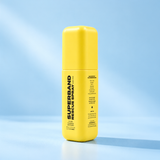
| SUPERBAND Rescue Spray | 200 ppm hypochlorous acid | Helps keep minor cuts, scrapes, bug bites and irritated skin clean | Fragrance free | 2.7 fl oz mist | "No sting" |
| Sterile saline wound wash (Simply Saline) | Sterile 0.9% sodium chloride | Cleanse wounds, scrapes and minor burns | None listed | 7.1 oz pressurized can (3 oz cans also sold) | "No burning or stinging" |
| Puracyn First Aid Wound and Skin Cleansing Spray | Hypochlorous acid (HOCl) technology | Wash away debris or contaminants from affected skin | Not stated on the brand page | 8 oz and 16 oz bottles | Says wound care doesn't need to burn |
| Briotech Topical Skin Spray | Hypochlorous acid from salt and deionized water | Cosmetic spray for redness, itch and irritation | Fragrance free | 2, 4, 8.5 and 32 fl oz | Marketed for sensitive skin |
| Bactine Max | Benzalkonium chloride 0.13% + lidocaine HCl 4% | First aid antiseptic plus pain and itch relief | Lists fragrances | 4 or 5 fl oz | "No Sting" |
1. SUPERBAND Rescue Spray: a no-sting mist made to go under a patch
SUPERBAND Rescue Spray is a fine mist of 200 ppm hypochlorous acid in a 2.7 fl oz bottle ($19). It is free of alcohol, peroxide, iodine, steroids and fragrance, and we made it gentle enough for sensitive and eczema-prone skin and every age in the family.
Its job is simple: it helps keep minor cuts, scrapes, bug bites and irritated skin clean. Hold the bottle six inches from the skin and spray until the area is covered. Let it air dry or pat dry, then cover with a SUPERBAND hydrocolloid patch. Spray, dry, patch is the routine the spray was built around.
Why it ranks first: it is labeled for minor wound cleansing, fragrance-free, small enough for a backpack pocket, and a mist you don't rub in or rinse off. That matters when the patient is four and already crying.
Label limits: for external use only. Avoid contact with eyes. Do not use on deep or puncture wounds, serious burns or animal bites. Stop use and ask a doctor if the area worsens or does not improve. Keep it out of reach of children and let an adult do the spraying.
2. Sterile saline wound wash: the no-frills baseline
A sterile saline wound wash is salt water at body-friendly strength. The Simply Saline Wound Wash label lists a single active ingredient, sterile 0.9% sodium chloride solution, and says it cleanses wounds, scrapes and minor burns with no burning or stinging. It is preservative- and drug-free.
On ingredients and fragrance, saline is as minimal as it gets. It ranks second on the other two criteria. It works by flushing, so expect runoff down a shin and a wet sock before you can pat the skin dry for a bandage. The standard can is 7.1 oz, though a 3 oz can is also sold. The label says to consult a healthcare professional before use for animal bites, deep puncture wounds and serious burns, and to stop and ask one if the condition worsens or does not improve within 7 days.
3. Puracyn First Aid Wound and Skin Cleansing Spray
The Puracyn product page describes it as alcohol-free, antibiotic-free and steroid-free and safe for all ages, and says wound care products don't need to burn to work. Directions: spray it directly onto the affected skin to wash away debris (or apply with a cotton pad), then let it air dry or apply a sterile bandage.
It ranks below saline because the brand page gives no full ingredient list or fragrance statement, so you can't check it against those two criteria before buying. It comes in 8 oz and 16 oz bottles: fine for the home cabinet, bulkier for a diaper bag.
4. Briotech Topical Skin Spray
Briotech's Topical Skin Spray is a hypochlorous acid mist made with salt and deionized water, according to its listing, and free of alcohol, parabens, preservatives and fragrance. It scores well on ingredients and fragrance, and a 2 fl oz travel size makes it the most pocketable bottle here.
It ranks fourth on fit for this job: the listing positions it as a cosmetic solution to calm redness, itch and irritation, not as a first aid wound cleanser. For a scraped knee specifically, the products above carry first aid directions for that use.
5. Bactine Max: a different mechanism
Bactine Max is not a rinse. According to its Drug Facts label on DailyMed, it contains two active drugs: benzalkonium chloride 0.13% as a first aid antiseptic and lidocaine HCl 4% as a pain reliever. Its labeled uses are first aid to help prevent bacterial contamination or skin infection, plus temporary relief of pain and itching from minor cuts, scrapes, minor burns, sunburn and minor skin irritations. The front label says "No Sting," and the formula pairs that with a numbing ingredient rather than a minimal ingredient list.
Three label details put it last for this list:
- Fragrance: the inactive ingredients include fragrances and propylene glycol, which counts against it on our criteria for sensitive or eczema-prone skin.
- Raw skin: the label says not to apply it over raw surfaces or blistered areas, or over large areas of the body.
- Age: directions cover adults and children 2 years and older; for children under 2, the label says to ask a doctor.
Where it fits: when numbing pain or itch matters more to you than a short ingredient list, and the area is within the label's limits. Follow the Drug Facts directions and warnings.
What's a gentle alternative to iodine or alcohol for a kid's scraped knee?
For a routine minor scrape, you don't need a harsh antiseptic. Mayo Clinic's first aid guidance says to rinse the wound with water, wash around it with soap while keeping soap out of the wound, and not to use hydrogen peroxide or iodine because both can irritate wounds. The American Academy of Dermatology (AAD) recommends cool or lukewarm water and a mild soap or cleanser to gently remove dirt, and notes that antibiotic creams and ointments can irritate skin even more.
So the gentlest option is often already at your kitchen sink: running water. A no-sting cleanser earns its place when there's no sink nearby (the playground, the trail, the car) or when you want a quick, no-rub step before a bandage.
"No sting" on a label usually means the formula leaves out ingredients like alcohol that are known to burn on broken skin. Read the full ingredient list rather than the front label alone.
About hypochlorous acid as a molecule: your immune system makes it. In a 2007 paper in the Journal of Burns and Wounds, L Wang and colleagues, most at NovaBay Pharmaceuticals (a company developing hypochlorous acid formulations), described it as a compound produced by neutrophils, a type of white blood cell, as part of innate immunity. They reported antimicrobial activity for their stabilized hypochlorous acid solution in laboratory tests and a safety profile in animal models. That is research about the molecule in the authors' own formulation, not a study of any product on this list.
How to clean a child's scraped knee, step by step
- Wash your hands with soap and water (AAD).
- Settle the child. Sit them down, tell them what you're about to do, and let them watch if that helps.
- Stop any bleeding with pressure from a clean cloth or gauze for one to two minutes or until it stops (AAD).
- Rinse away dirt with cool or lukewarm water. If you can't remove all the grit, see a healthcare professional (Mayo Clinic).
- Use a no-sting cleanser if you want one. With Rescue Spray, mist from six inches until the area is covered. With saline, flush the area.
- Let the skin dry, or pat it dry with a clean cloth, so the patch goes onto clean, dry skin.
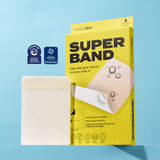
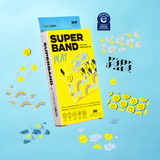
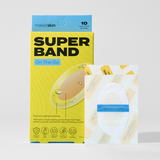
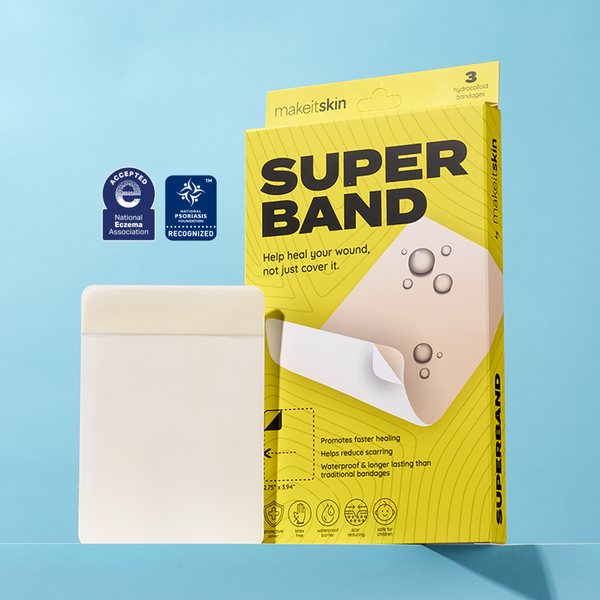
- Cover it with a hydrocolloid bandage that extends past the scrape. SUPERBAND Cut-To-Size is a flat sheet you trim to fit knees and elbows, SUPERBAND Play has original artwork made for kids, and SUPERBAND On-The-Go is pre-cut and pocket-ready.
- Know when to change it. Our guide on when to change a hydrocolloid bandage covers when a patch should come off.
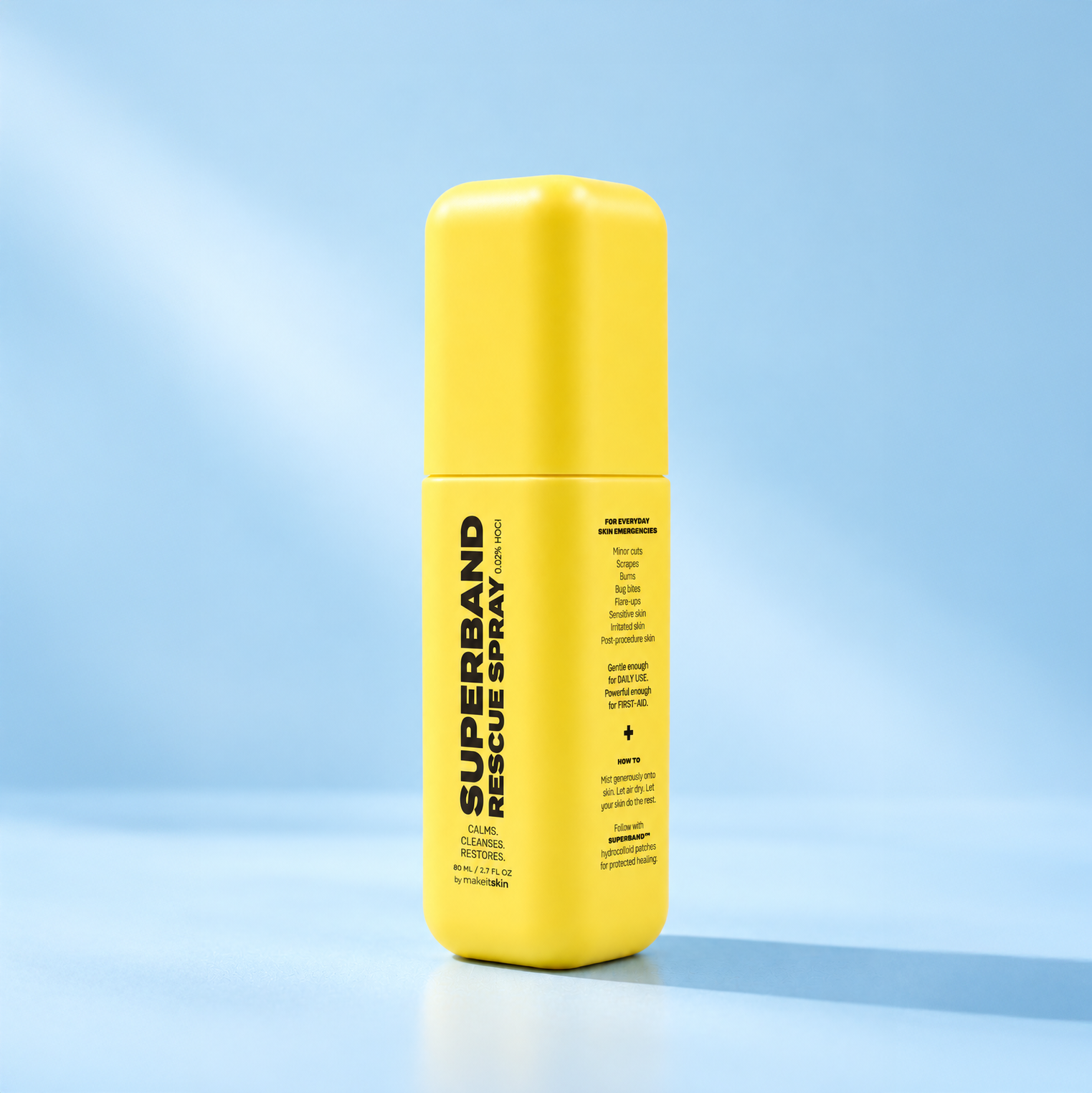
SUPERBAND Rescue Spray | Hypochlorous Acid First Aid Wound Spray
19.00 USD
Shop now
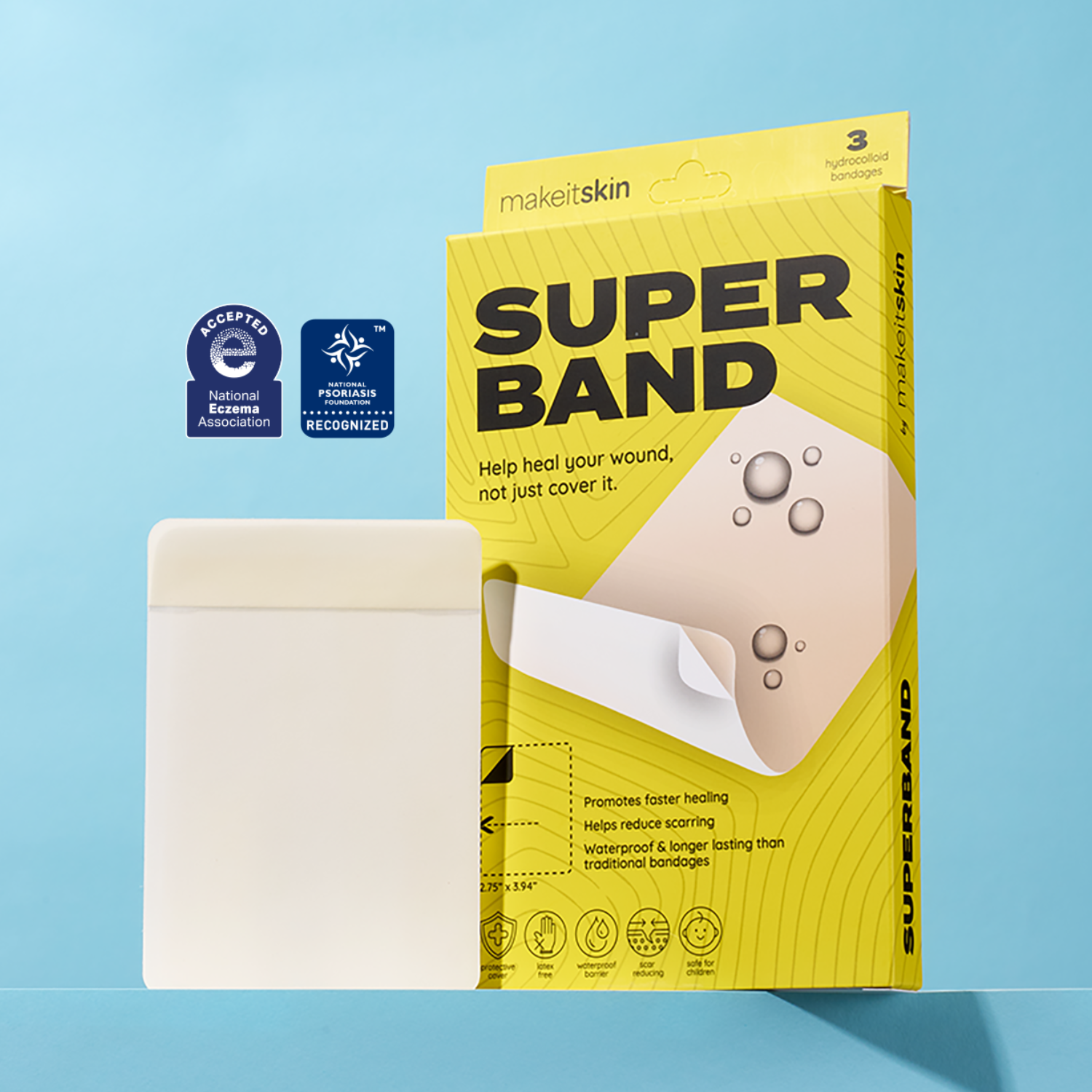
Buy SUPERBAND Cut-To-Size Hydrocolloid Bandage | Waterproof, Eczema-Safe
20.00 USD
Shop now
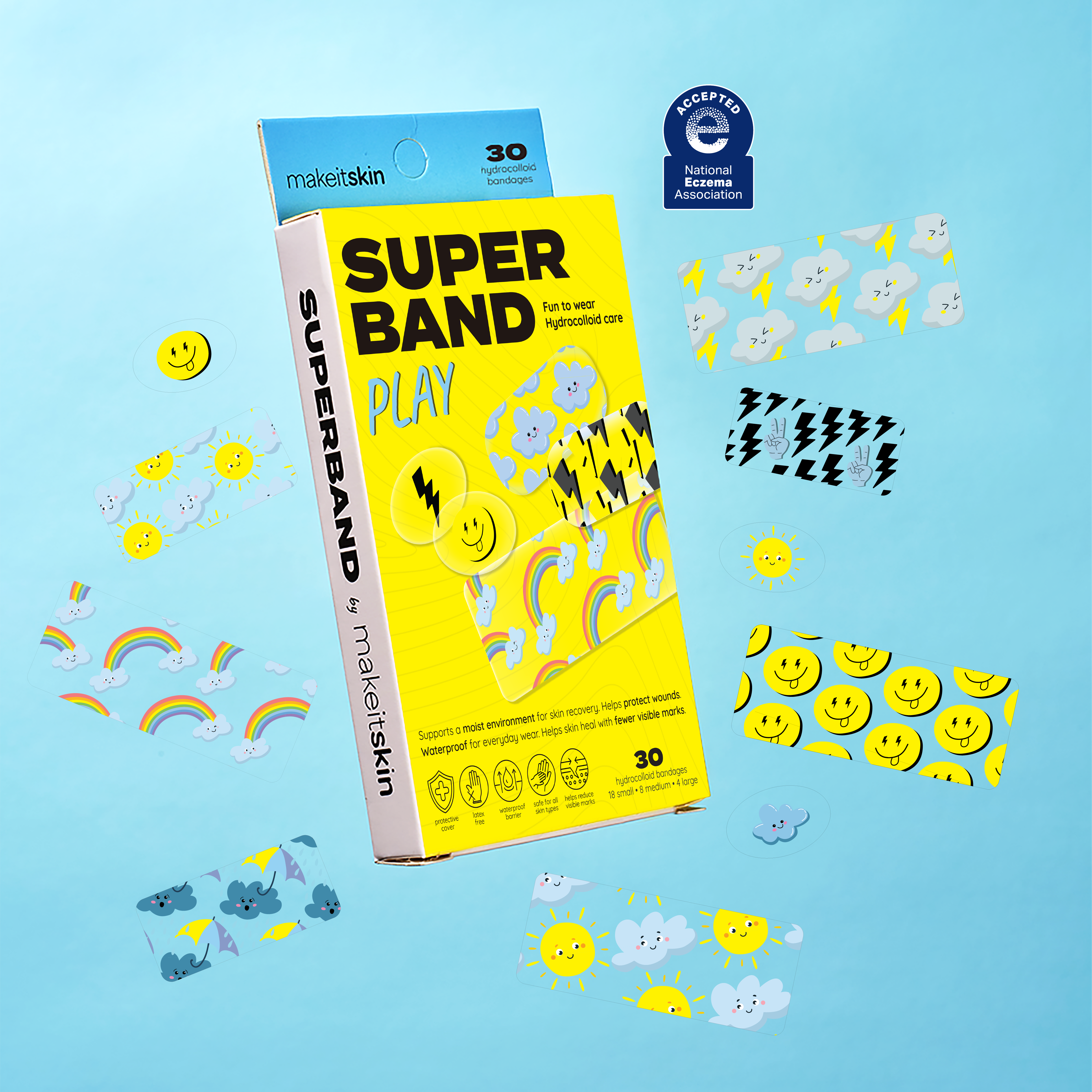
Buy SUPERBAND Play Hydrocolloid Bandages | Waterproof, Fun, and Gentle. Eczema-Safe
18.00 USD
Shop now
What can I use to clean irritated, eczema-prone skin before a hydrocolloid patch?
Pick the shortest fragrance-free formula you can find, and skip anything with alcohol. From this list, Rescue Spray, sterile saline and Briotech state they are fragrance-free or list no fragrance. Bactine Max lists fragrances and says not to apply it over raw surfaces.
- Let the skin dry fully before the patch goes on.
- Don't seal a medicated cream or ointment under a patch unless that product's label or your clinician says it's fine.
- Try a small area first if your skin reacts easily to new products, and stop if it stings, burns or flares.
- If the area is cracked, weeping or spreading, talk to your dermatologist or pediatrician before choosing a cleanser.
We cover reactive skin in more depth in our guide to waterproof bandages for eczema-prone and sensitive skin.
When to see a doctor instead
Home care is for minor wounds. Get medical help when:
- The cut is bigger or deeper than minor. The AAD advises immediate medical attention if a cut is longer than three-fourths of an inch, more than a quarter inch deep, or won't stop bleeding. Our article on whether a cut needs stitches walks through the signs.
- There's debris you can't remove, per Mayo Clinic.
- It's a deep or puncture wound, an animal bite, a serious burn or anything near the eyes. The labels of the products on this list either exclude these or send you to a healthcare professional first.
- You see signs of infection: pus or increasing redness, swelling or pain (AAD), or expanding color changes, drainage or warmth (Mayo Clinic).
- The wound is deep or dirty and the tetanus shot may be out of date. Mayo Clinic says a tetanus shot is needed if you haven't had one in the past five years and the wound is deep or dirty.
- It gets worse or doesn't improve.
FAQ
Is a hypochlorous acid spray OK to use on kids?
We made SUPERBAND Rescue Spray gentle enough for every age in the family, with no fragrance, steroids or alcohol. Puracyn also says its first aid spray is safe for all ages. Follow each label's limits: external use only, keep it out of the eyes, and store the bottle out of children's reach.
Can I use saline or tap water instead of a spray?
Yes. Sterile saline is a drug-free way to flush a minor scrape, and plain running water works too: Mayo Clinic describes rinsing a minor wound with water, and the AAD describes cool or lukewarm water with a mild soap or cleanser. The tradeoff is mess and bulk away from home.
Do I have to wait before putting on a hydrocolloid patch?
Yes. Let the skin air dry or pat it dry first, then apply the patch.
Spray, let it dry, then patch: keep SUPERBAND Rescue Spray next to a sheet of SUPERBAND Cut-To-Size for the next scraped knee.


