
Why Does a Hydrocolloid Bandage Turn White?
Share
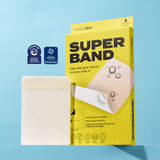
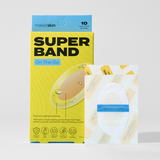
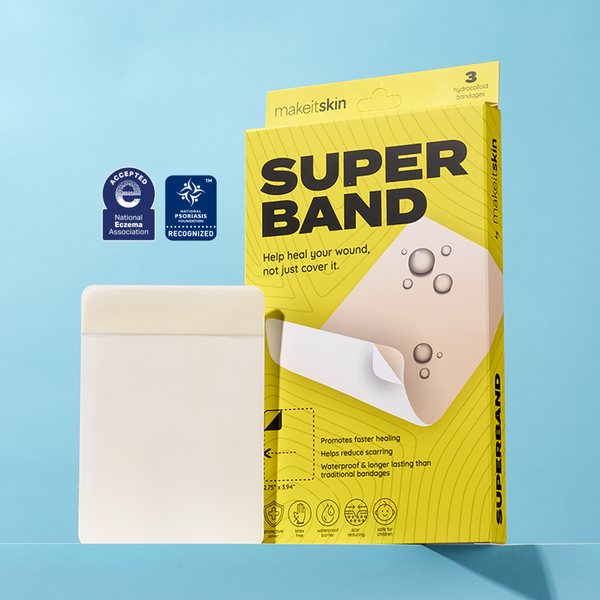
We make SUPERBAND hydrocolloid bandages, and we want that white bubble to feel less mysterious. It can form as the dressing absorbs wound fluid and swells into a gel, as Compeed explains for its hydrocolloid blister cushions. We look to wound symptoms, not just dressing color: the American Academy of Dermatology’s minor-cut guidance identifies pus and increasing redness, swelling or pain as reasons to call a doctor.
💧 What creates the white bubble?
Hydrocolloid does more than cover a wound. It absorbs liquid and forms a gel, which can make part of the dressing look raised and white.
Compeed’s official FAQ describes particles in its blister cushions absorbing excess wound liquid and swelling into a white bubble. That explains the visible change in those dressings; it is not a clinical test of SUPERBAND or a promise that every bandage will look identical.
The useful distinction is a change in the dressing versus a change in the wound. We would not use the bubble as a healing countdown or as proof that everything underneath is fine.
🔍 Is it gel or a sign of infection?
Pay attention to the wound and surrounding skin.
The American Academy of Dermatology recommends calling your primary care doctor or dermatologist if you notice pus or increasing redness, swelling or pain. Its guidance on antibiotics and wound care also lists these possible signs of infection:
- Warmth around the wound.
- Red, purple or brown changes in the skin.
- Red streaks on light skin or brownish-red streaks on dark skin.
- Fever, or feeling very hot or cold.
Call your doctor for pus or increasing redness, swelling or pain rather than waiting for the bubble to change. A familiar-looking dressing should not override a concerning symptom.
The NSW Agency for Clinical Innovation’s dressing-selection guidance lists infection as a contraindication for hydrocolloid dressings. Ask a clinician how to manage and cover the wound.
✅ What should you do next?
If you notice gel without concerning symptoms
Follow the application, wear and replacement directions for the exact bandage you are using. We recommend checking its label rather than borrowing another brand’s wear instructions or deciding from the bubble alone.
For basic minor-cut preparation, the American Academy of Dermatology recommends washing your hands and gently cleaning the cut with cool or lukewarm water and mild soap or cleanser. Then follow your dressing’s directions for drying and application. This cleaning advice is not an instruction to add ointment beneath a hydrocolloid.
If symptoms are new or worsening
Contact a healthcare professional. For a cut longer than three-fourths of an inch, more than a quarter inch deep, or bleeding that will not stop, seek immediate medical attention, as advised by the American Academy of Dermatology.
Our troubleshooting priority is the wound, not the bubble. Do not treat worsening symptoms as merely a bandage problem.
📌 TL;DR
- A white bubble can reflect fluid absorption and gel formation, as Compeed describes for its blister cushions.
- Pus, pain, swelling, warmth, red, purple or brown skin, streaks or fever are possible signs of wound infection, according to the American Academy of Dermatology.
- The NSW Agency for Clinical Innovation’s dressing-selection guidance lists infection as a contraindication for hydrocolloid dressings.
Before continuing care, check the directions on the bandage package you are using.


