

Bug Bite Patches vs Suction Tools: Which Is Better?
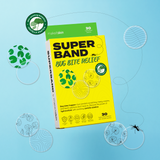
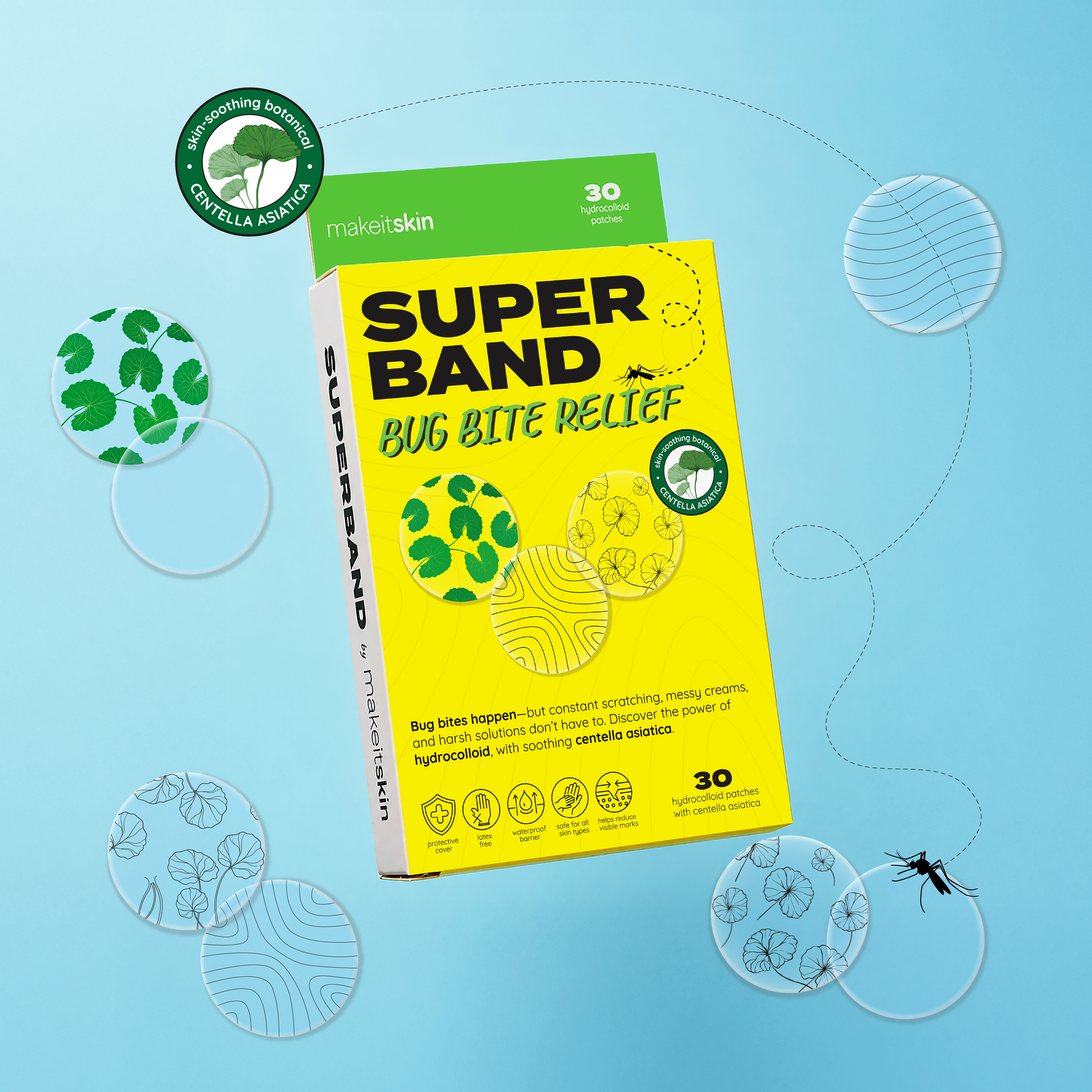
We make SUPERBAND, and our practical answer is to choose by the job you need done. Our SUPERBAND Bug Bite Relief patches cover the bite. Bug Bite Thing applies suction and is then removed.
Neither function establishes which product relieves itch better for everyone. Here, we compare these two options by intended mechanism, timing, scratching access, portability and skin precautions, not by an unsupported universal ranking.
How do bug bite patches and suction tools work?
Our Bug Bite Relief patches contain hydrocolloid and centella asiatica. For this decision, their clearest role is physical: putting a barrier between fingernails and the bite. See our patch details. An ingredient name alone does not establish how much itch relief the finished patch will deliver.
Bug Bite Thing says its tool removes insect saliva or venom to reduce itching, swelling and pain. That is the manufacturer's stated mechanism and relief claim, not a demonstrated advantage over a hydrocolloid patch.
We would prioritize coverage when keeping fingers off a minor bite is the main goal. Blocking access is different from switching off the urge to scratch.
Which is better for a fresh bite, scratching or travel?
The useful distinction is what you want to happen after application.
| Decision point | SUPERBAND Bug Bite Relief | Bug Bite Thing suction tool |
|---|---|---|
| Timing | Apply to clean, dry skin around the bite | Manufacturer recommends use soon after noticing a bite |
| Scratching access | Covers the bite while attached | No leave-on cover after use |
| Format | Single-use patch | Reusable tool |
| Upkeep | Leave until it lifts or turns white; do not reuse | Clean removable cap between uses; keep pump dry |
Directions: SUPERBAND Bug Bite Relief and Bug Bite Thing.
For travel, think about the upkeep you can manage: carrying replacement patches or cleaning and retaining a reusable tool. We would not call either format automatically more convenient for every trip.
For an older bite that you keep reaching to scratch, focus on whether coverage meets your need rather than borrowing a suction tool's timing advice. Timing claims and a physical scratching barrier answer different questions.
What should you check for irritated skin or children?
Start with the skin's condition and the package directions, not a blanket sensitive-skin promise.
Our patch warnings specify external use only. Do not apply to deep or infected wounds, and stop use if irritation, rash or worsening occurs.
Bug Bite Thing's instructions advise against face or neck use because of marking risk. They recommend less suction and a shorter initial hold for children or sensitive skin. Adult supervision is required because of small removable parts.
For a child, check the actual package and ask a pediatric clinician or pharmacist if age suitability or a skin reaction is uncertain. We would not choose solely on the presence of a botanical or the absence of a topical ingredient.
What about itching, dark marks and scars?
We separate covering a bite from treating itch and preventing a lasting mark. A scratching barrier addresses coverage; it is not, by itself, evidence of scar prevention. We would not choose either format on a promise of mark-free recovery.
For itch, the American Academy of Dermatology's bug-bite guidance identifies topical hydrocortisone cream or ointment and oral antihistamines as home-treatment options. Follow the medication's age and use directions, and ask a pharmacist or clinician which option fits.
Do not turn those separate options into an improvised cream-under-patch routine. Check the applicable medication and dressing directions before combining them.
When should you seek care instead?
Seek emergency care immediately for trouble breathing, a throat-closing sensation, or swollen lips, tongue or face after a bite or sting. The American Academy of Dermatology also advises immediate medical attention for fever, body aches or a new rash after a bite.
For an otherwise minor bite, our decision stays simple: prioritize a patch when leave-on scratching coverage is the job; consider suction according to its instructions when that is the function you want. Neither replaces care for a concerning reaction.
For more on wound care, see our guide to moist wound healing.
If coverage fits your need, read our SUPERBAND Bug Bite Relief directions before applying a patch.


