
Dirt in a Scrape: What to Do Before You Bandage It
Share
We make SUPERBAND, but a dirt-filled scrape needs cleaning before it needs a bandage. After a playground or trail fall, rinse away dirt before covering the wound. If debris will not come out, get medical help, as Mayo Clinic's first-aid guidance recommends.
If you scraped your skin while wading through a creek, leave the water and avoid further exposure while the wound is open. The CDC's natural-water safety guidance explains that natural bodies of water can carry germs, and contaminated water entering an open wound can cause infection.
Start With Clean Hands and Stop the Bleeding
Wash and dry your hands. If the scrape is bleeding and nothing is embedded in it, apply pressure with a clean cloth or bandage. If an object is stuck in the wound, do not pull it out or press directly on it. The NHS guidance on cuts and scrapes advises pressing on either side instead.
Get emergency care if bleeding will not stop. Spurting blood, loss of feeling, trouble moving the injured area, or a very large or deep wound also needs emergency care. An embedded object such as a glass shard needs emergency assessment, according to the same NHS guidance.
Rinse the Scrape and Remove Loose Dirt
On the trail, use bottled drinking water or sterile saline, not untreated creek water. The NHS recommends bottled or tap water for rinsing, and the American Heart Association and American Red Cross first-aid guidelines recommend thorough irrigation until no obvious debris remains, using running tap water or sterile saline. Avoiding creek water follows the CDC's warning about germs in natural water.
Once bleeding is controlled, follow Mayo Clinic's cleaning instructions:
- Rinse the wound under running water.
- Wash the surrounding skin with soap, keeping soap out of the wound.
- Remove loose dirt with tweezers cleaned with alcohol.
Skip hydrogen peroxide and iodine in the wound. Mayo Clinic warns that both can irritate it. The alcohol instruction is for cleaning the tweezers, not rinsing the scrape.
If gravel or dirt remains, get professional care rather than continuing to pick at it. Mayo Clinic recommends seeing a healthcare professional when you cannot remove all debris.
Check Your Tetanus Vaccination History
A scrape containing dirt or soil counts as a dirty wound under the CDC's tetanus wound-management guidance. Cleaning matters, but so does your vaccination history:
- Completed your primary series, with your last dose less than 5 years ago? The CDC says no additional tetanus vaccine is needed for wound management.
- Completed your primary series, with your last dose 5 or more years ago? A booster is recommended for a dirty wound.
- Unknown, incomplete or no vaccination history? Vaccination is recommended. Contact a clinician to assess the doses you need.
For dirty wounds, the CDC also recommends tetanus immune globulin, or TIG, for people with unknown, absent or incomplete tetanus vaccination histories, and for people with HIV or severe immunodeficiency. A clinician should assess whether you need it.
Topical or oral antibiotics are not recommended to prevent tetanus, according to the CDC. They do not replace this assessment.
Cover the Cleaned Scrape and Watch for Changes
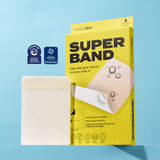
After cleaning a small wound and stopping the bleeding, apply a sterile dressing or bandage. The NHS wound-care guidance recommends keeping the covering clean and dry.
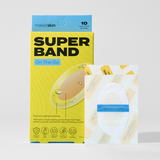
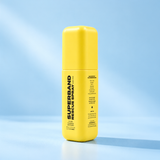
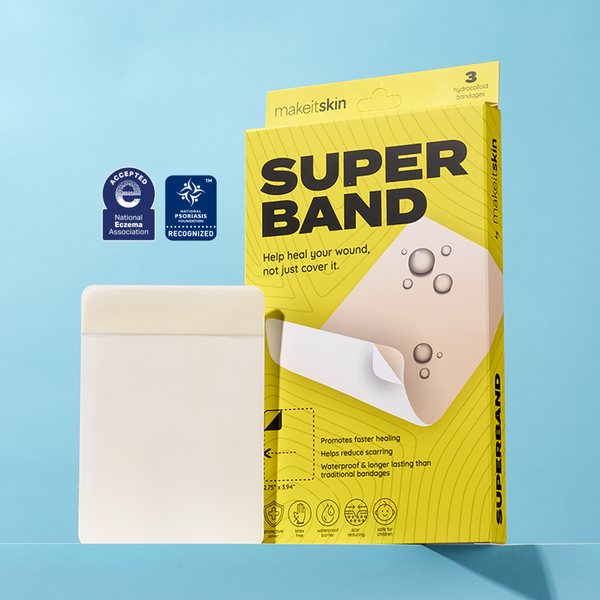
For a minor scrape after debris removal, our SUPERBAND Rescue Spray is an optional cleansing step before covering: hold it six inches from the skin, spray until the area is covered, let it air dry or pat dry, then apply a SUPERBAND hydrocolloid patch. Follow the label: external use only, avoid eye contact, and do not use on deep or puncture wounds, serious burns or animal bites. Stop use and ask a doctor if the condition worsens or does not improve.
If you continue hiking, check the covering. For a standard dressing, replace it if it becomes wet or dirty, following Mayo Clinic's dressing-change guidance. Follow the package directions for a hydrocolloid patch. Avoid further creek exposure while the scrape is open, consistent with the CDC's advice to stay out of natural water with an open wound.
Seek medical care for expanding skin-color changes, increasing pain, warmth, swelling or drainage. Mayo Clinic lists these as infection warning signs.
Fever or foul-smelling wound drainage also calls for medical care. The American Heart Association and American Red Cross guidelines advise removing the dressing, inspecting the wound and obtaining care if these or other listed infection signs develop. Tell the clinician that the scrape was exposed to creek water.
Our reminder: clean first, cover second. If dirt remains or your vaccination history is unclear, contact a healthcare professional before treating the scrape as routine home care.
For the optional cleansing step in your trail kit, see our SUPERBAND Rescue Spray directions.


